The Cadastre of Transient Spaces: Our Thing V

The essence of public cultural infrastructure is that it is inalienable, permanent public property, accessible to the widest possible range of artists and cultural practitioners. Nevertheless, the gap between those who have access to space and those who do not remains (too) wide. As a community, we therefore have a responsibility to consider various systemic solutions that could help narrow this gap.
Through a series of assemblies organised by Maska Institute, the Nomad Dance Academy Slovenia and Kino Šiška, we are exploring forms of governance and operation that emerge through community-building and the management of spaces. We are examining the boundaries between the private and the public, the governmental and the non-governmental, the institutional and the non-institutional, while mapping the dynamics of space.
At the assembly on 5 November 2026, we will discuss the state of the contemporary performing arts scene over the past year and a half, drawing on experiences from the pilot co-management project at Stara mestna elektrarna (Old City Power Station) and the recent discontinuation of the public institution dedicated to the development of contemporary dance. We will consider what systemic changes and forms of solidarity are needed, and how we can develop alternative models for collaboration, access to spaces and the management of public cultural infrastructure.
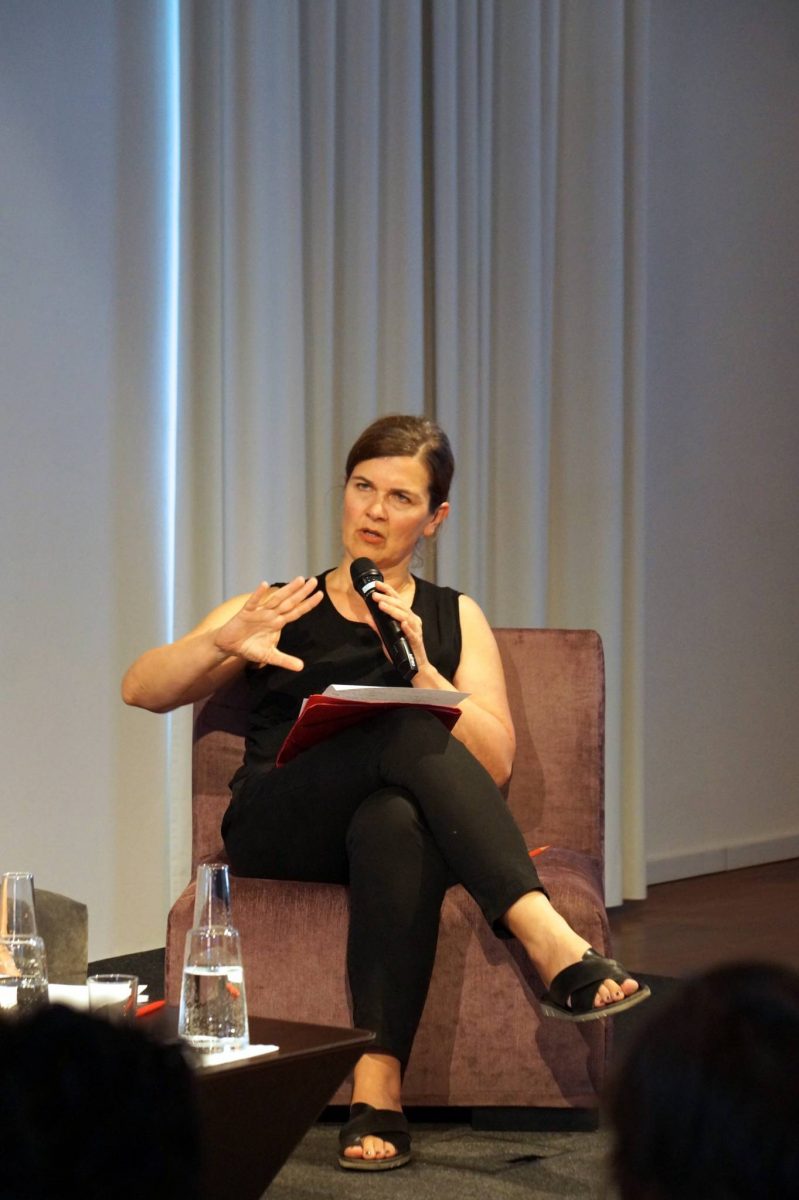
The assembly will be moderated by Teja Reba.
- Assembly
5. 11., 6PM
Moderated by: Teja Reba
Organization: Maska Ljubljana, Nomad Dance Academy Slovenia and Kino Šiška
Free entry.